True Thankfulness is Expressed as Trust.

The Story Chapter 4 (Exodus 1-7; 10-17)
2 Corinthians 9:7-11
Matthew 6:25-34

On this Thanksgiving Sunday, we’re called to express our gratitude for all that we have, and more importantly, we’re called to remember that it’s all a gift from God: all I have needed, thy hand has provided, right? 

But for me, as we go through our second Thanksgiving in a global pandemic, and having read together this weekend the remarkable story of God’s deliverance of his people from slavery in Egypt, I have to admit: I’m thinking a little differently about Thanksgiving this year. 

It’s easy to preach that Thanksgiving is about the virtue of gratitude.  But, I don’t know if it struck you like it struck me and my kids as we read Chapter 4, sometimes we just don’t know how thankful we should be.  Sometimes I know I find myself a lot like those Israelites – crying out to God for help, God responds, but instead of thanking Him and trusting in His plan, I find something else to complain about, and, like Jacob’s descendants being led out of Egypt, sometimes I maybe even wish that God hadn’t answered my prayer.

As they say, hindsight is 20/20, and that’s true in the Christian life as well. 

Just as the Israelites’ grumbling through the exodus becomes evident as we read it after the fact, self-awareness and recollection are God-given tools to open our eyes to the way He answers prayer.

Unless we stop to see how one prayer has been answered, we end up like those slaves, flip-flopping back and forth, praying for freedom, and then wishing they were slaves again; praying for God to protect and provide, but when He does, they respond by anxiously wondering who will protect and provide next time.

Trusting the God who Delivers

The first, and maybe the biggest point that should be jumping off the page as we read The Story together is this: God will make a way.

What we’re seeing is that God always keeps his promises.  The issue, though, is that we too often think his promises are for our personal gain.  Now I know some preachers have conned a lot of people and made themselves very rich by saying that God promises health and wealth and prosperity.  But you’ve read it: is that what God promises? 

God promises to crush the serpent’s head.  God promises to provide what we need.  God promises to use those who are obedient to His call to bless the whole world and reconcile them to himself.

No, God isn’t in the business of setting us up to depend on ourselves.  He told an old childless man squatting on someone else’s land in a tent that he would be the father of kings; he gave a young boy a dream that would protect his entire family, but only after he remained faithful through 20 hard years in a foreign land; and now He has indeed made Abraham’s descendants very numerous, thousands of people, but lest they depend on themselves, they find themselves in a foreign land, oppressed by a fearful king who is scared by how resilient this people is, even as slaves.

In that we see that God will always make a way.  But, especially at Thanksgiving, we have to accept that God’s not blessing us for our own benefit.  God blesses us to show forth his glory.  God blesses us so that all people will see and know that He is the Lord, that the God of Abraham, Issac, and Jacob is the Creator, who loves us enough to seek us out while we’re still sinful rebels, and desires nothing more than for us to turn from our wickedness and live to his glory.

God will make a way – but it’s always to his glory, and our response must always be to show the world how good he is.

Grumbling

The next thing that leaps off the page, though, is grumbling.  And grumbling is a lack of gratitude.

We all knew the Israelites grumbled in the desert, but until you read Chapter 4 this weekend, did you realize just how much they grumbled?  Eye opening, isn’t it!

But how often do we fall into the same boat? 

They wanted to be free, but they didn’t really want to be free.  They wanted their own land, but they missed how easy it was to get food and water when they were slaves.  They wanted God to lead them, but complained and wanted to turn back when He didn’t lead them in the direction they wanted to go.

As Paul said in our Epistle today, “God is able to make all grace abound to you, so that having all sufficiency in all things at all times, you may abound in every good work”. 

God will provide, but the good works we do with what he gives are up to us.

Will we take what God has given and give glory to his name?  Or will we gladly take what he has given, and then grumble because our hearts still aren’t satisfied? 

I’ve caught myself this week: for 18 months I’ve prayed daily that God would protect our town from this virus – and he has.  I’ve prayed daily that we would work together for the common good.  But have I praised him for his protection?  Or, instead, have I been quick to express my exhaustion and become a little complacent – which doesn’t serve the common good, and to find myself anxious as our case count begins to climb.

Jesus says, “do not be anxious about your life, what you will eat or what you will drink, nor about the body, what you will put on”.  If God has provided thus far, now’s not the time to question his provision and protection; now’s the time to work together for the common good as much as we did in the beginning, and most importantly, to give God the glory, because it’s in times like these, times when we learn that health and strength are gifts, that God uses you and me to draw our friends, families, and neighbours to Himself, that they too may trust in him and see his glory revealed.

God will make a way, but Grumbling is a lack of gratitude for the ways God has turned the world’s evil into good.

Faith in Action: Gumption

Instead, we need to have Gumption. 

Yes, putting our faith into action, whether it’s the exodus from slavery in Egypt, or the second thanksgiving in a pandemic, requires good old-fashioned gumption.  Perseverance, endurance, resourcefulness, initiative, imagination, wisdom, understanding, practicality, mettle, nerve, courage – all synonyms for good, old-fashioned gumption. 

Four chapters in – and each with a lifetime of experience – we know God is for us.  We know God provides, that he will work through whatever mess we’ve found ourselves in, if only we trust that his ways are higher than our ways.

But God expects our commitment.  He provides all we need, but then he expects us to follow through, to follow where he leads, whether that’s with a pillar of cloud and fire, a still small voice, or hiss promises patiently tucked away in our hearts.

Exodus tells us that God has a systematic way of dealing with the competition.  Those 10 plagues aren’t random – each plague is set against one of the false gods of the Egyptians, as their gods of the Nile, of crops, of livestock, of medicine, of fertility, of the sun, and of procreation are all proven to be subject to God Almighty. 

And so, part of our Thanksgiving recollection must be asking ourselves: what false gods do we worship? 

Where do we place our trust?  In the economy?  In our ability to work?  In democracy and good government?  In self-sufficiency and individual rights and freedoms?  In the pride of believing that all that we have comes from our selves? 

It’s worth thinking about, because we know God is in the business of casting down false idols, and in my own life, as I wander through this pandemic time, I see God calling me to turn away from all those good things in which I put too much trust, and to instead trust him with gumption, to trust him boldly, knowing he’s going to reveal his glory, and he’s going to provide for my every need, if I follow him in faith.

True Thankfulness

I want to leave you with this observation.  I’ve always limited “thankfulness” to gratitude, to stopping to say “thank you” for what I’ve received. 

But as I’ve read chapter 4 this week, I think there’s more to it.  Taking a break to say thank you isn’t what God desires.

True thankfulness is expressed as trust. 

True thankfulness is trusting that God will make a way, as he has before.

True thankfulness is giving up on grumbling, and trusting that God knows best.

True thankfulness is having the gumption to say “all I have needed, his hand has provided”, so I will go where he leads me, because he will never forsake me, his grace is sufficient for my weakness, and he will finish what he started.

True thankfulness is expressed as trust.  And may God give us the grace to be truly thankful.  Amen.

Vocation: What are you building?

The Story chapter 3
Genesis 37:2-8
Hebrews 11:17-22, 39-40
John 14:1-3, 18-20

Once upon a time, there were 3 stone masons.  They were working side-by-side, doing the exact same work, with the hot summer sun beating down upon their backs, and their heads swarmed with flies.

You ask the first one: “what are you doing?” 

            “Laying bricks in the burning sun.”  And that’s true.

You ask the second one: “what are you doing?”

            “I’m building a strong wall, to protect against the elements.”  And that’s true, too.

You ask the third one of these same men, standing side by side, doing the same work, “what are you doing?”

            He replies, “I’m building a cathedral to the glory of God.”  And he is.

As you’ve read this weekend the tangled story of Joseph, I want us to think about our vocation, and how we live to God’s glory in the world.

Vocation in the Story of Joseph

We’ve been raised to think of “vocation” as ‘what you do for a living’.  But that’s only partially true.  Up until the late 1800s, vocation was an entirely religious word, and I think the Church would do well to keep that in mind. 

 “Vocation” comes from the Latin word “vocare”, which means “to call”.  It’s the word used throughout Church history to speak of those who are called to any work or ministry for God, done in, with, and through the Church as the community of the faithful, whether that’s preaching the Gospel, raising kids, or washing dishes and waiting on tables. 

Every person, made in the Image of God, is called – has a vocation – to live to God’s glory in the world. 

And the point of saying that everyone from the business person or landlord to the cashier or retiree has a vocation is this: vocation isn’t about what is done, it’s about how you do it.

Vocation is about perspective.  It’s about being willing to trust in the Master Builder’s plan; even when, as the hot sun beats down on our backs, it looks like all we’re doing is laying bricks.  It’s a statement of faith that, though I may not live to see it, and though there are real, painful, and lasting consequences for greed and impatience and pride in the world, yet God will keep his promises. 

A Matter of Intention

The key phrase for me in all of Chapter 3 came right at the end.  It’s Genesis 50, verses 19-20.  Joseph, who was sold as a slave by his jealous brothers, now finds himself as a prince over Egypt, second only to the Pharoah on the throne.  And those same jealous brothers are now fearful that, as a final act in his old age, Joseph will get his revenge.  Just as Joseph dreamed as a boy, now his brothers bow down before him, offering themselves as slaves to the one they sold as a slave.  But what does Joseph say?

“Don’t be afraid…  You intended to harm me, but God intended it for good…, to accomplish the saving of many lives.  Don’t be afraid”.

It’s a delicate message, and we have to balance it carefully.  No, everything doesn’t happen for a reason.  That’s ridiculous. 

  • Did God intend for Abraham’s offspring to be dysfunctional?  No.
  • Did God intend for brothers to be jealous of each other? No.
  • Did God intend for the Ishmaelites – whom you now know to be Joseph’s cousins, as Ishmael and Issac both came from Abraham – to be slave traders and purchase the son of their second cousin?  Not at all.
  • Did God intend for Potiphar’s wife to be a lustful, adulterous liar?  Certainly not.
  • Did God intend for there to be a drought?  No, you remember that, at the beginning, God intended for people to live in a perfect relationship with Creation providing food freely from the ground.

The message isn’t “everything happens for a reason”.  The only ‘reason’ behind any of this is sin!

No, the message is this: what the world, the flesh, and the devil intended for evil, God intends for good.  Or, we can take heart in what Paul writes to the Romans: No, the world is not as it ought to be, “but God works all things together for the good of those who love him and are called according to his purpose.”(8:28)

We all share that calling, that vocation.  But how do we live it?

Joseph as an example.

I want to suggest that in Joseph we see three ways we are called in a broken and twisted world; three ways to live with God’s big plan as our perspective, to trust that we are building cathedrals, not just laying bricks.

First: we must be willing to do the work we’ve been given to do.

Now, let me be very careful.  I’m not saying “bloom where you’re planted”.  That’s another religious-sounding phrase used to keep Christians from using their gifts.

I’m saying the opposite.

When God has given you a gift, you have to assume it’s not for your sake.  Many parts, one body, right?  Joseph had the gift of the Holy Spirit to be a prophet, yet he was born into a family of wandering shepherds. 

Joseph could have had an easy, happy life, tending flocks, moving the herd from pasture to pasture, all he had to do was keep his mouth shut.  It would have been an easier life… at least until the famine came.  And then just imagine the guilt and shame that would have come, as Joseph watched his family starve and he knew he was receiving visions from God, but chose to keep them to himself. 

No, we must do the work we’ve been given to do.

There’s no such thing as unemployment in the kingdom of God.  There’s only under-employment, not using our gifts; being happy laying bricks, being happy as a slave in the field when God has planted a vision of his bigger plan, and has called us to work towards that vision of a redeemed humanity.

Not that we all need to be rulers of Egypt.  Washing the dishes and making your loved ones a meal can be great if it’s done to the glory of God.  But each of us are invited to be part of God’s Upper Story, the unfolding of his great plan, and we need to share that vision, share that understanding of how each action plays out in our lives day-to-day.

And, in that, we learn from Joseph that we must have character. 

Everyone around Joseph was lying.  There was jealousy, there was adultery.  There’s the heartbreaking story of God’s chosen patriarch, Jacob, living a life weighed down by grief as 11 of his sons conspired against their father, unwilling to come clean about what happened that day in that field.

But Joseph showed integrity – and we should note, he even showed integrity when it made no sense, when any reasonable person would say “just keep your mouth shut”, he wasn’t willing to compromise, even when it cost him dearly.  And, because of that, we hear that God was with him, whether as a slave, or thrown in prison, or as ruler of Egypt.

And finally, Joseph reminds us that sometimes we have to run away.

I’ll remind you that standing firm in the wrong place is the opposite of the Christian life.  Yes, we’re to stand firm in faith, but the life of repentance is a whole life of turning around, of changing direction, of realizing you’re not where you should be.

It’s nice to cling to those couple of verses that tell us to stand firm… but how many more times does scripture tell us to flee what is wrong?  When Joseph realized what Potiphar’s wife had in mind, it was like a Bugs Bunny cartoon – he took off so fast that his cloak fell off!

Joseph knew he was created in the Image of God, to reflect God’s glory, to inherit God’s promises to redeem a fallen world, and he was ready to change course and run the opposite direction – even if it meant prison time – rather than compromise his own beliefs and integrity.

What are we building?

My friends, what are you building?

Are we going about our days, labouring, toiling, wearing ourselves down laying bricks?  Or, have we caught the vision for what God is doing in the big picture?

I can guarantee that the experience and the blessing of even the most unpleasant tasks will be entirely different when you come to see that, yes, you are part of God’s big plan.

You may never see it.  You may never see my grandkids freed from addiction and broken relationships.  You may never live to see that broken home restored, you may never see how that one word of truth or honesty spoken in the checkout line at Kaeser’s might be a word from God that changes a family for generations to come. 

But, if I recognize that, yesterday, today, and forever, our God is in the business of reaching out, that even now, Jesus is building a mansion with many rooms for you and for me, that big-picture perspective unlocks your vocation here and now. 

What the world intends for evil, God intends for good.  And he invites you to be a part of that, and all for his glory.  May God give us grace to serve him faithfully in the world.  Amen.

God Builds a Nation

The Story chapter 2, Genesis 12-36

Genesis 12:1-3; 15:3-6
Galatians 3:16-18, 27-29
Mark 3:31-35

Last week, we saw that, in God’s unchanging “Upper Story”, a good God created a good creation where people made in His Image enjoyed beautiful, healthy relationships with God the Holy Trinity, with each other, and with all of creation. 

But, because no relationship can be forced, there’s the possibility that we can say no.  And when we did, what did we find?  Sin changes everything.

But as we read Chapter 2 this weekend, we see another aspect of God’s eternal plan revealed to us: what sin changes, only faith overcomes.

Our relationship with God was severed by sin, and there’s no way to get that back – no amount of sewing fig leaves or making sacrifices or doing good deeds can undo what was broken.  There’s no way to get it back… except by faith.

We were created to be a family – brothers and sisters, children of God Our Father.  But, our relationships with each other were destroyed, utterly broken by blame and jealousy and envy, picking sides and choosing favourites, lying, cheating, and stealing to the point where no one can trust another.  And there’s no way to get it back… except by faith: by the faith to actually believe and live as though we are brothers and sisters, children of Our Heavenly Father.

And we were created to be in relationship with creation, to rule over it in the same way that God lovingly rules over all things.  But instead, we war against creation, and our bodies bear the consequences as we wear out and return to the dust from which we were made.  But there is a way to overcome that broken relationship with creation, to find re-created and restored life beyond the grave.  And what’s the only way to get that back? By faith!

Yes, God’s grand story shows us that what sin changes, only faith overcomes.

God Wills to Build a Nation

In Chapter 2 you read the story of Abraham, the one through whom God would build a nation – a holy nation.

But it’s a surprising story, isn’t it?  Maybe you’ve been taught (through Sunday School songs about “Father Abraham” and his many sons) to see Abraham as a great and mighty figure, the patriarch over God’s chosen kingdom.  But when you actually read it all laid out, it’s not that simple, is it?

We often think of faith as something we choose: the choice to be here this morning, the choice to repent of our sins and see ourselves through God’s eyes, the decision (as the song says) to “follow Jesus” (no turning back, no turning back).  But those are all responses.  The eternal, unchanging truth that we see in Abraham is that God reaches out; God calls out to each and every one of us first.

God offers us faith; we then decide if we will allow that faith to fill us: if we want to be faith-filled, faith-full.

God calls us.

And the glorious truth we see in Abraham is that God’s purposes, God’s desire, God’s covenant is not conditional.  We don’t often stop to think in these terms.  But God doesn’t say “if you will follow me I will make you a great nation.”  He doesn’t say “if you will follow me, the whole world will be blessed through your line”.  He doesn’t say “if you will follow me, I will send my Son to take flesh through your descendants so that sin and death can be defeated.”

No.  What does God say?  God says, “I will.”  God calls Abram and reaches out with the gift of faith, because God has a plan – the same plan from the beginning.  Abram just has to choose how he will respond; will he spend his life being fueled and filled by that faith, or will he spend his days running from and fighting against the relationship that God desires?

And God is the same yesterday, today, and forever. 

There’s not a single person who isn’t made in the Image of God, created to reflect His glory, and share in the life and love of the Trinity.  There’s not a single person you know whom God isn’t calling, whom God isn’t offering that gift of faith.  The question is whether they, whether we, say “yes, fill me.  I want to be full of faith, I will, I choose to be faithful”, or whether we run from that call and go our own way.

God calls Abram, and God’s decision is to use Abram to make for himself a holy people, a nation through whom the rest of humanity can see God’s glory, and be saved from sin by the gift of faith.

Drawn Together for a Purpose

In that we see another big, universal, unchanging truth.  God calls us individually, but not for our own sake

And that’s a hard idea, because sin changed everything.  Sin made us individualistic; we were created for relationships with God, others, and creation, to be part of something much bigger.  So when God calls each of us, it’s not so we can be glorified individuals.  He calls us, and his purpose is to restore those relationships; not just so I can be holy and I can live forever, but that I can be part of a holy people that lives forever in relationship, reflecting the Image of God to each other, and the glory of God back to the source of life and light Himself.

God calls us, he offers the gift of faith, and he’s drawn us together for a purpose.

But it’s the choice, that response, that desire to be filled by faith – to be faith-full – or not, that changes how it plays out.

It’s a fabulous calling… but how did it work out for Abraham and this chosen family?

  • Scripture tells us Abraham picked up and moved alright, but He didn’t quite trust that God would protect his life, and lied twice, saying his beautiful wife was his sister for fear he’d be killed.
  • He didn’t quite trust God would do what seemed impossible in his wife’s old age, so he went to bed with his maid.  And Sarah gets jealous to the point that the maid and her son are sent out into the desert with nothing but some bread and water.
  • Issac, the promised child, finally comes, and there begins the story of a dysfunctional family of epic proportions.  Mom has a favourite kid, Dad has a favourite kid, and the two play off each other with elaborate hoaxes to trick one into inheriting God’s blessing. 
  • Jacob gets the blessing, but is afraid his brother wants to kill him, so he runs away from all that he inherited – only to fall in love with his first cousin… except then his uncle tricks him, so he ends up marrying not one, but two of his first cousins.
  • He finally patches things up with his brother, and goes on to have a dozen kids of his own… but what does he do?  Well, this child of promise follows in his parents’ footsteps, and picks a favourite son again!  How does that play out?  As you’d expect!

God made a decision; God made an unbreakable promise; God had a purpose to bless all of humanity through Abraham’s family line. 

Did he do that because Abraham was the best choice?  Because he was strong and mighty?  Because he had built himself a nice empire in a good land?  Because he was patient and had good child-raising skills?  No, not at all.

Not at all.  This family was a total mess.  Sure, Abraham wanted to be filled-with-faith, to be faithful, but if you want to see the effects of sin in a human life, look at Abraham, look at Isaac, look at Jacob!  Yes, God called Abraham, but we overlook that between Genesis 12 and Genesis 23, God calls Abraham 10 times, because Abraham needs it! And Jacob, who is to become the patriarch of all Israel, just can’t understand God’s grace until God finally wrestles him to the ground and pins him with his hip out of joint.  Then he understands God’s grace… only to go and play favourites with his sons, repeating his own parents’ failure.

The point is this: God uses broken people to fulfill His unbreakable promises.

It’s the idea in one of my favourite “motivational” posters: “when God put a calling on your life, He already factored in your stupidity”.  It sounds harsh… but read your Bible!  It’s true!

Not so different from ourselves.

But… God called them.  And he called that family for a purpose, drawing them together for a purpose.

And, because God is unchanging, the same is true for us.

God called a man, took him away from any chance he had for worldly power in his hometown, told him he would have countless offspring and be the great-grandfather of kings… and sent him to live in a tent as a squatter on someone else’s land.  God doesn’t call the equipped, he equips the called.

And, seriously, look around.  We’re the inheritors of that promise.  We, along with our brothers and sisters at the Pentecostal and Roman Catholic churches,are the ones through whom all of Fort Smith is to be blessed and called back into relationship with God.

But look at us.  We’re a lot like Abraham!  We’re a congregation that’s past childbearing years; most of us are retired, we don’t have influence or worldly power.  Every time I hold an event, even yesterday, someone who has been in town for years said they had no idea we were here.  Like Abraham’s family, we’re richly, richly blessed, but in the eyes of the world, we’re ‘small, and of little account’.

But God has called us.  God made a decision.  God has said “you are my son; you are my daughter; I am your Father”. 

And he calls us and equips us individually, but not for our own sake.  We are children of Abraham’s promise; we have inherited by adoption God’s blessing to Abraham – yes, you are the one through whom God wants to bless the world and draw all people to himself. 

…And that sounds ridiculous, but believe me, it’s no more ridiculous than telling an old man in a tent that he’s going to be the father of kings; and whatever you’ve done, however you’ve been unfaithful, you probably haven’t pretended your wife was your sister, slept with your maid because you were impatient with God, and sent your mistress and son to wander in the desert, so believe me, if God can use Abraham, God can use you.

Because the bottom line is this: God’s calling is not dependent on our performance.  God offers faith.  Our job is to decide if we want that faith to fill us, if we will and desire to be faith-full.

My brothers and sisters – for that’s what we were created to be – sin changes everything.  But what sin changes, faith overcomes.  And, by faith, it’s through you that God wants to bless the world with eternal life.

May God draw us ever closer, and equip us for the work he’s given us to do.  Amen.

The Beginning of Life as we Know It

The Story Chapter 1: Genesis 1-8.
Lessons read in worship:
Genesis 1:1-4, 26, 31a
Romans 8:19-25
John 1:1-14

Well today, obviously, we’re starting at the beginning – not just the beginning of The Story, but the beginning of everything: the creation of the universe.

And this is where we first have to come to terms with a few things.  First, we have to realize – we have to be ready to accept – that God’s revelation of himself in scripture was given to us for a purpose.  Scripture, God’s Word written, is a love story, and it has to be, because God is love. 

That means, right off the bat, we have to accept that the Bible was never intended to be a science textbook, nor a history report, nor even a straightforward instruction manual for how to live – in fact, in the first chapters, we learn more about how not to live, rather than finding any examples to follow.

No – it’s the story of the overflowing love of the Trinity: the Father, Son, and Holy Spirit who together say “let us create”.

Now, there are faithful Christians who say “yes, and all that happened in one week” – and sure, God could have created it all in one week or one day or one in instant if he wanted.  But there are also faithful believers, in every age, going right back to ancient Israel who said ‘the point here isn’t about time’ – after all, the Church has always been quick to point out that you can’t have a 24-hour day if you don’t have the sun and moon to keep track of time. 

No, the point is that in an ongoing fashion, in phases, God’s Will unfolded to create the entire universe out of infinite nothingness, and it starts with a spark, with a flash of light – heat, energy – as the universe begins to spring into being.

And as this grand “Upper Story” is unfolding, what’s the first thing that we can say?

God created, and it was good.

Creation is a positive thing; it is a constructive thing; it is a process that gives life, that shares life, that encourages life, that values life, as the one overflowing Source of Life creates out of love.

It’s good. It’s life-giving.  But then what happens?

…We could say “sin happened”.  That’s the easy, expected answer – and yes, sin changes everything.  But you read it yourself: what changes everything?  The knowledge of evil.

Everything was good when we only knew good.  But once we have an alternative, once we have a reason to doubt, it all goes down the drain, because we become obsessed. 

We question God’s motives.  We become jealous and ashamed and suspicious and play the blame game, as our knowledge of evil, our choice and desire and appetite to know what is bad, and destructive, and life-sucking brings those things into being. 

We were created in God’s image, with the ability to shape the world around us, to take part in that work of creating; but we chose to invoke God’s curse, to know death instead of life, to know work instead of freedom, to know pain instead of joy.

But did you pick up on the biggest change of all?  Sin destroyed relationships.

Once we know manipulation and jealousy and doubt, the relationships that we were created to enjoy are broken.  Our relationship with God is severed: we want to hide from God in our shame rather than walk in his presence.  Our relationship with each other is crushed, as we can no longer trust each other, and have to devote our energy to work and toil rather than the joy of life.  And our relationship with creation is broken, as we experience the hostility of nature, and find ourselves unable to live in harmony with the world around us.

God created, and it was good, but we wanted to know evil too; we wanted to test and make sure that ‘good’ really was good, and so we knew evil.  And just like light and darkness can’t be in the same place, we became obsessed – consumed – with that evil.

But God had a plan.

God, the Holy Trinity, was unwilling for us to know their eternal life in such a sad and sorry state.  Could you imagine – an eternity of this?  It’s hard for us to fathom, but God knew that once we’ve rejected the good, once we’ve turned down the offer to share in God’s creative, life-giving work, once we’ve rejected life, death is the only alternative. 

But, as you’ve read, for God the Source of Life, death doesn’t have to be the end of the story.  With God, death can be redemptive; death can be the path to life.

When those first people went astray, they found themselves ashamed.  It’s a funny image really – people who have never had to work for anything in their lives playing with leaves trying to put together some clothes because they were ashamed of their own bodies.  But leaves aren’t going to cut it.  No, God himself kills – sacrifices – the first animal, as that animal’s skin covers their shame, and becomes the protection they need for life in a hostile world.

So, through all these details in this Lower Story of the beginning of humanity, we see the big picture, Upper Story plan hinted at: God hasn’t given up.  God’s will was to create humanity in his image that we might finally share in the overflowing love of Father, Son, and Holy Spirit.  And, in spite of us, he’s going to do that.

But, eternal life, when you’re obsessed with evil, would be an awful, heinous thing.  It takes death – the shedding of blood – to hit reset and open the path to make a new choice, to choose life instead.  But God’s love is such that He’s willing.  God wants us to spend eternity with him so much that even when we choose to hide from him, he’ll pitch his tent and move in among us.  If we choose death, if we choose the path that destroys relationships with God, each other, and creation, He will seek us out to offer us, once more, while there’s breath in our lungs, the opportunity to rebuild those relationships – to be made right in God’s eyes, to learn to live together as brothers and sisters, and to live in hope of re-creation shared by everything that God has made.

God created and it was good.  But we wanted to know evil, and choose evil, even though it leads to death.  But, from the start, God had a plan: that through death, he would offer us the chance at redemption.

And the last point we need to take away from Chapter 1 is this: when, in what you read, did God finish his work?  He didn’t.  No, when things were good, before we chose evil, he rested.  But from that day until this, God hasn’t stopped working.  God the Creator isn’t finished – no my friends, he’s just started!  He’s still equipping and providing and creating the opportunities for us to choose life through death, for us and all creation to be restored in his image.

In your bulletin, I put (in red) the words of William de Witt Hyde that we’ll sing later today:

Since what we choose is what we are,
and what we love we yet shall be,
the goal may ever shine afar —
the will to win it makes us free.

-William de Witt Hyde

“Since what we choose is what we are,
and what we love we yet shall be,
the goal” – God’s will that we should be redeemed and restored, to know and share in his life and love – that goal “may ever shine afar –”

And what makes us free?  “the will to win it makes us free”. 

God’s not done, He, through all of human history, is working towards the same goal that Father, Son, and Holy Spirit set at creation, but because you can’t force a relationship, we have to want – we have to will – to reach that goal, with God’s help.

Finding our place in God’s Story

And so, we find ourselves, our own lower stories in God’s grand Upper Story.  And, my brother and sisters – for that is what we were meant to be – our task, the key to “reverse the curse” is simply to align our will to God’s will.  God has a purpose, God has a plan; we chose the broken relationships, but He chose a path, a plan, a story that leads to redemption.  All we have to do is find our place in that story, and trust in the one who is the source of it all: the One God to whom be all glory, now and forevermore. Amen.

“Every time you make a choice you are turning the central part of you, of who you are, into something a little different from what it was before. With all your innumerable choices, all your life long you are slowly turning this central thing either into a heavenly creature or into a hellish creature; either into a man that is in harmony with God, and with others, or else into one that is in a state of war with God, and with others. 

To be the one kind of creature is joy and peace; to be the other means madness, rage and eternal loneliness. Each of us at each moment is progressing to the one state or the other.”

–C. S. Lewis, Mere Christianity

The Story Begins

Today, as you know, we begin something new.  This is the start of The Story.  Now, I know you’ve been hearing bits and pieces about The Story for months, but here it is: beginning today, this whole church – and, in fact, a few of our friends from the other churches in town – are going to spend the next 31 weeks learning the story of God’s redemption, the story of God’s unchanging, unshakable love for us.

Now I know some are thinking, “oh that’s nice.  Yes, that’ll be good for those people who are newer to church, who didn’t have Sunday School when they were little.”  But this really is something for everyone.

You see, stories are important.  Humans were made to tell stories – you don’t see a mama dog sitting down her pups to tell them about how it felt when she saw you for the first time at the animal shelter.  It’s a nice thought, but telling stories is one of those things that make us unique.  And, of course, we know and we believe that the reason people aren’t quite like other animals is that we are made in the Image of God. 

Storytelling isn’t just something for children.  No, we tell stories every day so that we can make sense of the world.  Stories help us know other people’s character, as we learn how our family, friends, and neighbours acted in a situation.  Far more often than we might even like, we’re bombarded by news stories.  And they are stories – even the barest of facts are strung together so that we can make sense of them, so that we can make up our minds about who was right and who was wrong, as we learn how actions and decisions and events in other places have an effect on us.  If you watched the debate the other night, what you saw there in it’s grandest form is this act of human storytelling, with each party leader narrating their version of how our nation got here, who the good guys and bad guys are, and where they’d like the next chapter to go.

Stories are essential to being human.  Each family has a story, and we’re wired to share it.

So why do we – who are already in church – need to take 31 weeks to learn the Church’s story? 
Isn’t that preaching to the choir?

Maybe not.

Why we need The Story: The Facts

Play along with me… if you have a Bible in your house, raise your hand.

            Great – now, who has two Bibles in their house?  Three?  Four?

Now, who here – either as a child in Sunday School, or as an adult on your own – learned about Adam and Eve?  Who knows the story of Abraham?  What about Moses?  Ok, what about Rahab?  And Ruth?  King David?  Solomon? 

Who knows about Mary and Joseph riding to Bethlehem?  Who’s heard of Pentecost?  Who has heard that Jesus will come again?

Alright… that’s great.  Now: who knows how it all fits together? 


What’s Abraham’s role in the Christmas story? (He has a big one!)
What does Rahab hiding Jewish spies on her roof have to do with Pentecost?

Right. 

So the most recent statistics show that 41% of practicing Christians who have 4 or more Bibles in their homes confessed to researchers that they never read them.  41% — and that’s those who told the truth!

As we’ve been saying for two years now, our job is to reach out – to let people, our family, friends, and neighbours, know about the love and mercy and healing found in Jesus.  But the main reason we’re all so hesitant to do that is, simply, we don’t know what to say.  We’re all able to speak about our families, we all have opinions and some of us could go on all day about politics or what’s happening in our world, but along with that, we need to learn The Story – our story – so that we know our place in it, and just as importantly, so we can invite others to find theirs.

The Unchanging Story of God’s Redemption

Now, there’s another problem worth thinking about.

Yes, the Bible is the story of God’s redemption of the world.  But… isn’t it old? 
Like, very old?  Sure, there’s stuff we can learn, but is it really fair to say that this book from long ago is my story or your story or our story? 

And, that, my friends, is one of the key issues: we’ve been taught to read the Bible in chunks, like it’s a newspaper, where you can read the headlines that catch your attention, but skip over the others, learning a bit along the way. But the Bible isn’t meant to be a history book, a raw collection of facts.  No, the Bible is… a love story, one unfolding account of the Creator of the Universe overflowing with love so that God creates everything that is so that he can invite us into relationship with Himself.  It’s the story of the source of life being so abundant and gracious and merciful that He’ll do what it takes to let us share in that abundant life, if only we’ll choose it.

And, the amazing part that too many of us weren’t taught is that your Bible has a gap. 

The Bible isn’t just long ago and far away – we’ve come this far (the last of the Pastoral Epistles), but we haven’t yet reached the end.  We’re still living the story, it’s still playing out around us.

So there’s a crucial reason that these ancient words still matter.  Yes, the story started long ago; yes, we come and go, like the grass; yes, kingdoms rise and wane; but what about God? 

(Maybe the kids can help us with their memory verse today:  Does Jesus or his love for us change?  “Jesus Christ is the same yesterday, today, and forever”. Hebrews 14:8) 

That’s the amazing message of The Story.  The times change, the characters change, the locations change, but through it all, in every time and place, God doesn’t change, and his purpose to invite us to share in his abundant life hasn’t changed from the moment that first atom sparked into being. 

Today’s lessons are the perfect example.  Numbers 21: God’s people wandering in the desert, having a hard time trusting him.  Just a chapter earlier God had provided food and water for them, and here they are grumbling because the food is worthless – who cares it filled their bellies and didn’t cost them anything, they just weren’t satisfied.  They start to curse God, who removes his protection from them, and the realities of desert life set in – poisonous snakes crawling everywhere.  But what’s the solution?  To lift up the thing they’re afraid of, face it head on, and trust in God.  Or, as Paul wrote in First Corinthians 1:18-24, or Jesus said in today’s Gospel (John 3:13-17), the solution is… the cross

You see, the times, the places, the characters change; but God remains the same.  Jesus Christ is the same yesterday, today, and forever. 

As we go through this year together, what we’ll find is that there are two “levels” to the story that we share.  To keep things straight, we’re going to call them the “Upper Story” and the “Lower Story”. 

The Upper Story is the overarching narrative tying it all together.  It’s those things we miss when we’re caught up in the weeds, but where we see God working all things together for good in the big picture.  The Upper Story is where we learn that God is revealing himself to us, and his one plan since the beginning of creation is, simply, to create an eternal people to live with him forever.  That’s the overarching story that we’re living in, because we’re still in that gap.

The Lower Story, then, is how we see God working in ordinary people’s lives.   One of the challenges for us this year is perhaps to undo some of what you learned in Sunday School.  We’re not looking at scripture to find heroes doing incredible things – that’s to miss the point.  No, scripture shows us the stories of ordinary people, people who make bad decisions, get angry, have doubts, but many of whom decide in faith to become part of God’s great plan.  And, as we see God at work in those lower stories of ordinary people, I know for sure that we’ll be better equipped to see God at work in our own lives.

Stories are important. 

We need to know this story, because what God’s doing in your life might seem mysterious, but guess what – it’s no mystery!  God doesn’t change! His desire for you is the same as it is for all people, to invite you to a relationship with him, to learn to reflect his love, to stand in the face of the things that scare us – whether it’s a snake or a lifeless body on a cross – and acknowledge that our only hope is to trust in the one who never changes.

At the same time, I know – I’m absolutely sure – that you’re going to discover something as we walk together through the lower stories.  Guess what: we’re not all that different.  You, me, the annoying neighbour, people around the world, and the people on the pages of scripture.  There really isn’t anything new under the sun, and there’s great encouragement and freedom that comes with learning that no, whatever you and your family are going through isn’t new, you’re not alone, and more importantly, whatever you’re facing won’t thwart God’s plan, if only we learn to trust in his big picture.

We’re made to tell stories.  This year, we’ll tell ours.  May God give us the grace to see how we fit into His, for he’s the same, one God, yesterday, today, and forever.  Amen.

God says, “I would walk 500 miles; and I would walk 500 more!”

(Ok, maybe that’s a slight paraphrase!)

The voice of my beloved! Behold, he comes, leaping over the mountains, bounding over the hills. My beloved is like a gazelle or a young stag. Behold, there he stands behind our wall, gazing through the windows, looking through the lattice. My beloved speaks and says to me:

“Arise, my love, my beautiful one, and come away, for behold, the winter is past; the rain is over and gone. The flowers appear on the earth, the time of singing has come, and the voice of the turtledove is heard in our land. The fig tree ripens its figs, and the vines are in blossom; they give forth fragrance. Arise, my love, my beautiful one, and come away.”

Song of Solomon 2:8-13

That lesson this morning has to be one of the weirdest in the whole lectionary.   It’s so strange that the BAS offers an alternative just in case we’d rather not deal with it.  But, you should know me well enough by now to know that, if there’s something weird in the Bible, that’s what I’m going to preach a sermon on!

The Song of Solomon is a full-on love poem… or maybe it’s more like a steamy romance novel.  The lectionary, kindly, has given us a pretty PG section – but even here, look at what’s being said: there’s an eager, muscular stag of a lover, leaping over mountains and bounding over hills, and here he is peeking through the windows and poking his face in through the garden lattice just to ask his beloved to run off with him into flowery meadows filled with turtledoves, figs, and vines of juicy grapes.  …And believe me, that’s just the start!

God is… lover?

Now, your whole life, you’ve heard and known that God is love.  “Jesus loves me, this I know”; “God is so good, he cares for me”, and “the King of Love my shepherd is”.  We know that God loves us, that his perfect Fatherly love is far beyond what we could imagine from our earthly parents. He’s one who patiently waits, who sent his own son to seek us out and pay the price of our redemption, and who runs to throw his arms around the prodigal who returns. 

But in the messiness of this world – and if you’ve listened to even 5 minutes of news this week, you’re well aware of the messiness – in all of that, we tend to reduce God’s love to a concept or an idea.  But it’s more than that.  God’s love is action.

Now, this lesson is all one big metaphor, but metaphors and poetry are meant to help us wrap our heads around ideas that are too hard to see and understand on their own.

You know God is love, that he loves you, but did you know that his love is like this?

Nowhere in scripture do we find God pictured as a stern old guy with a long beard, watching from a distance, waiting for an opportunity to scold and punish.  If that’s the image of God you’ve been given – then, on behalf of the Church, I’m sorry, because that’s not what we find anywhere in scripture.

No, this is what we find!

God loves you, God wants to be with you so much that he’s prancing over mountains to get to you!  You’ve heard the song “I would walk 500 miles, and I would walk 500 more…”.  Yeah – God loves you like that!

The type of love that God has for you is the love that leads him to climb mountains and valleys, wade across rivers, and cross deserts just to be in a relationship with you; he’ll relentlessly and energetically seek you out just to meet you where you are and say “my love, come away!”.

And, as the metaphor continues, when God gets near us, what does he find?  A wall.  Of course.  (We’re good at building walls, aren’t we?).  But does that keep God from the love he has for us? 

No, as we read in that weird lesson this morning, God becomes a bit of a peeping tom!  But he’s not watching, making a list, checking it twice, trying to find out if you’re naughty or nice – that’s not God!  No, whenever we put up a wall, we know God gave us free will and respects our decision, but God’s going to be there peering in through the windows, trying to get your attention.  If you’ve got a fence made of lattice, he’s going to be calling out through the openings “come away, I love you, you don’t have to stay in there!  There’s a feast, and flowery meadows, and streams of living water!  I love you, come with me!  Let me show you!”

When we say God is love, when we sing about love divine, it’s that sort of love: a love that seeks us out, a love that will not let me go, and even if I’ve put up a wall, he’s peeking in through the windows and calling out over the fence saying “come”, you don’t have to stay in there, let me show you how much you are loved; let my glory be revealed in you – redeemed, restored, and being made fully alive![1]

Requited Love?

If that’s how God loves us – not something earned, not something conditional – then what’s our part in that?

We just need to be responsive to God’s love.

It’s as easy as that; this isn’t an over-simplification.

When you hear that faint “come away!  Trust me!  Let me show you what I’ve got planned!  It doesn’t have to be like this!  Come with me!”, well, you know what?  It’s in those moments that we need to be doers of the word, and not hearers only.  God loves us, he just wants us to respond.

When you’ve got that knot in your gut, when a situation just isn’t sitting well, when you can’t rest, and you’re anxious, and you just can’t find any peace, that tension is because the one who offers peace that passes understanding is peering in through the window in the wall you built, calling out “come away, it doesn’t have to be like this, let’s do it my way, I’ll show you how good it can be!”.

But what does James say?[2]

God loves us, he thinks we’re beautiful, he sees our potential and wants to be with us so that we can see all that he has in store for us. 

But we hear that, and James says we’re like those who look in a mirror but just can’t accept what we’re seeing.  We know God loves us, but then we start to say “no, I don’t know what God sees in me.  How could God love me?”

And rather than answering God’s call, we dismiss his voice, and draw the blinds so we don’t see him waving outside the window.

But what God wants is for us to listen.  He’s already made all the effort.

He wants to lift us up and lead us on.  And yeah, it will lead back over those mountains and through those valleys that he crossed to find us, but he’ll be with us, to comfort, guide, direct, and provide along the way.

He’s calling.  Each of us can hear him faintly through the walls we’ve built.  Each of us can feel him in our gut when we’re apart from his peace.  But, when we hear or feel that Word, the right response is to just do it: to see ourselves as God sees us, to love those whom God loves; to bridle our tongues – and I think that’s as much about the lies we tell ourselves as what we say to each other; and to keep our hearts open, making room for God to purify them; as Jesus said today, it’s not what comes in that makes us a mess, it’s what resides in our heart that makes us a mess.[3]

“Behold, here God comes, leaping over the mountains, bounding over the hills! He’s like a gazelle, or a stag!  God is here, calling out over your wall, gazing in through your windows, saying, “I love you.  Trust in me!  Come away.”

We hear and feel that Word every day.  He’s made that effort.  Now, may we have the grace to respond.  Amen.


[1] St. Irenaeus, in arguing against those said God’s favour had to be earned, famously summarized scripture in saying “the Glory of God is a human person made fully alive” by beholding the likeness of God in Christ Jesus, face to face.  As James 1:17-18 and the whole design of worship under the Old Covenant shows, God’s glory isn’t a thing for us to look at, as though he’s lacking if his glory goes unnoticed; God’s glory is revealed through the act of broken, sinful people like us being brought in, cleaned up, healed, restored, and made to share his overflowing and abundant life!

[2] James 1:17-27

[3] Mark 7:21-23

God in a box? The problem of perspective.

As human beings, one of our biggest skills is putting things into boxes.

No, I don’t mean physically packing things away in boxes.  But one of the things that sets us apart from animals, one of the ways we show this God-given gift of reason is our ability to categorize things, to understand what something does, and to give it a proper place.

If you give a dog a nice big ham bone after Sunday dinner, that dog has no problem taking that juicy, dripping bone and running to her soft bed or, if you’re not watching, taking that wet bone up on the couch.  And if your dog gets wet, he has no problem shaking that water off wherever he is, throwing that water in every direction.  People are different – at least we can be; we’re built to organize and categorize our lives.  We have one room for cooking, another area for eating, one room for showering, and unlike that dog, we had better dry off before tracking that water through the hall back to the bedroom!

That ability to distinguish between things, to compare and contrast things that have no obvious connection in nature is part of the Image of God given to us. 

Yet, as we read today in the book of Kings, we have to acknowledge the limits of our ability to categorize things, to put things in neat little boxes.  We have to remember that our experience is limited by our experience, that our perspective is limited by the position in which we find ourselves, and our ability to imagine what is possible is limited by the weakness of our own power to change the world around us.

God in a box.

All of us know in our heads that God is present everywhere.  ‘Where can I go to escape your presence?  If I go to the highest mountain or the deepest depths of the sea, even if I go to the grave, you are there.’ (Psalm 139). 

And maybe you’ve never thought of it this way before, but as we’ll see this year as we read The Story together, God’s singular desire is for us to live with Him; all of scripture is God showing the lengths to which the Trinity will go to bring us into their life and presence. 

But as we come to our Old Testament lesson today, we see God being put into a box.

Now, throughout the history of God’s people, He’s been with them, revealed in different ways at different times.  In dreams and visions, in the visitation of angels; the burning bush, the pillar of cloud and fire that led from captivity to freedom, as a smoky cloud of power and presence that hovered over the Ark of the Covenant in the tent of meeting as Israel wandered the wilderness.  But now, having come to peace in the promised land, King David had been hard at work building up the city of Jerusalem, erecting strong walls and gates, and a lofty palace to rival the homes of neighbouring kingdoms.  And then he asks the question: is it right that I, the king, live in a palace, while God is worshipped in a tent? (2 Samuel 7:2).  God refuses to let David build the house of God, because he had shed too much human blood in battle; instead, God appoints Solomon, David’s son, to build the temple where God’s presence would reside.

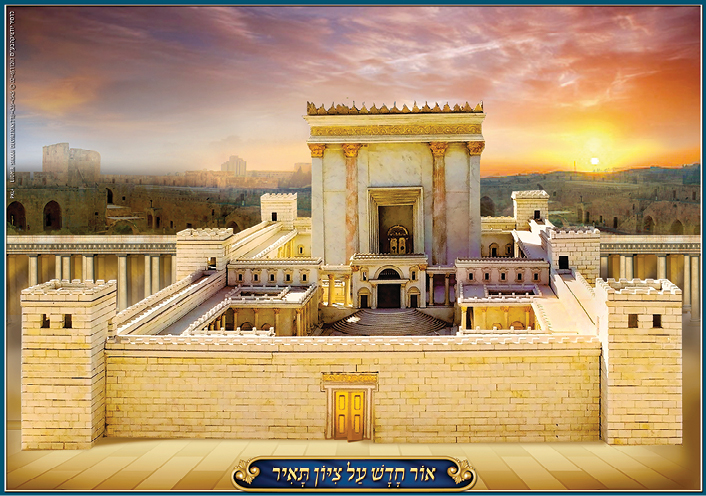
Solomon does that.  Construction takes 7 years.  It’s an big structure, even by modern standards.  The holy of holies – the dwelling place of God – is at the centre, a windowless box with 40-foot ceilings, surrounded by an inner courtyard for sacrifice and thanksgiving, and an enormous outer courtyard for teaching and worship and public festivals. 

But here’s the amazing thing: God, who is present everywhere, whom the heavens and the earth cannot contain, actually moves in.  God’s desire for us to live with him is so great that the Creator will move into – take up residence in – the creation.

The question, though, is why does God do that?

Did God need a house?  Was he lacking in wood and marble, in silver and gold, in incense and offerings?  No, not at all. 

God takes up residence in the temple, just as he takes up residence here, in this holy house of worship, for our sake.  God knows we were created with the gift and curiosity to try and understand the world – after all, that’s God’s Image in us.  God chooses to be present and worshipped in visible, physical ways because he knows we have trouble perceiving what we cannot see; he knows that our perspective is limited to what is right there, in front of our eyes.

You may have heard it preached before that the good news of the new covenant is that God is not contained in a temple far away in Jerusalem.  And that’s true – God is not contained in any box made by human hands.  But the amazing truth we read in scripture is that God is willing to take up residence among us. 

God is not a philosophy; God is not a feeling; God is not a theology or rules or a set of right answers to rhyme off.  God is alive; God is someone we can know; God wants us to live with him, and he’s willing to do what it takes to make that happen – even taking up residence within four walls if that’s what it takes for us to experience the reality of His presence.

The Problem of Perspective

But even God moving in and being really present in a house in each neighbourhood is not enough for many to see and accept his presence.

Remember back in the Garden of Eden?  The temptation offered by the serpent wasn’t to disobey God – that’s not enticing at all.  The temptation that got Eve to eat that fruit was the temptation to trust her own perspective.  That’s enticing.  The serpent didn’t say “go ahead, disobey God!”.  The serpent said “that fruit looks nice, doesn’t it?”  “Looks like a good fruit, don’t you think?”  “God said it would kill you, but it doesn’t look like it would kill you, does it?”  “Maybe it’s so good, God just doesn’t want you to have it”. 

The temptation that led to sin invading the world was the temptation to limit the truth to our own perspective.  The temptation to think that we have all the facts instead of trusting that God knows the big picture and, even when it doesn’t make much sense to us, He is working things together for the good of those who love him.

God took up residence in Solomon’s temple, to be the crowning glory of His people, now established in the promised land.  God moved into those four walls, not that they contained him, but so that his people would have a place to come to be assured of his presence; just as we have a bedroom for sleeping and a kitchen for eating, so too the faithful would have a place of prayer, a place where, each year, each month, each week, they could gather, choose to see things from God’s perspective, repent of all the times we did and said or acted – or made excuses – based on our own perspectives, and in that place know the truth that God wants us to live with him so much that he makes himself present even in our messy, complicated lives.

But the temptation to trust our own perspective is always there, the temptation to falsely believe that our understanding, our point of view is the full story, rather than trusting in God’s big picture.

It’s an attractive temptation, and closer to home than we like to admit.  In the Gospel today, Jesus says that whoever eats his flesh and drinks his blood abides in him.  At the last supper Jesus says ‘this bread is my body; this cup is my blood; when you gather, do this to recall my covenant with you’.  Once again, God’s desire is to be with us in a tangible way, for us to know he is present with us around the table in the act of taking our daily bread.  But how much ink and energy has been wasted; how much blood and how many lives were lost in the wars at the Reformation because we look from our perspectives and say “how can God fit in a piece of bread?”.

But the point of the temple or the Eucharist was never to contain God, to mark his limits.  It’s the total opposite; if we see it from God’s perspective, the point is that God loves you so much that he wants to live in these four walls for you to come and visit; he wants to sit with you at the table; and he wants to take up residence in you, to guide and direct and comfort you from the inside out.

Discipleship and “Checking Boxes”

I’ve had lots of conversations lately about the day-to-day actions of our faith.  Since that discipleship training day back in June, a number of you have been experimenting with morning or evening prayer, with spending a few minutes reading scripture each day, or taking on a new role in outreach and caring for one another, or even reframing your care for those around you as an act of obedience to the Lord.

As we prepare to embark on a parish-wide year of bible reading with The Story, it’s important for us to remember that, when we see things from God’s perspective, even little actions will have ripple effect far bigger than we can imagine from our point of view.

Solomon preaches at the dedication of the temple that if a foreigner – that is, someone outside of God’s covenant – even turns toward God’s house, God will hear and act.  If one of the faithful – you or I – comes to seek God’s mercy and comfort, it is given. 

Now think about that.  A stranger, walking down the other side of the street, depressed and anxious on the way to work, hears the bell at 8am, sees the church and says “if there’s even a God, I need help.”  That’s an act of faith – yes, a tiny one – but it’s one that God hears as he continues his work of helping her to align her will with his.

It’s just as Paul tells us today to do the work of putting on the armour of faith.  Not fall into it, not wake up and magically find yourself fully dressed, but do the action, put it on.  Wear the truth, strap on righteousness, know the peace that comes from being ready to trust God’s big picture rather than your own perspective, and faithfully pick up the gift of faith as it is strengthened by the Spirit dwelling in you and the Word of God going into your eyes and ears each day.

My friends, God can’t be contained in a box… or a temple, or a church, or a set of rules, or a piece of bread, or a theology book, or a plan for discipleship.  But God wills to dwell with us in real and visible ways.  We’re not checking boxes or doing empty rituals; we’re taking God at his word!  When he says “gather in my presence”, gather in his presence.  When he says “read my Word”, let’s do it.  When he says “if you serve one of the least of these, you’ve served me”, let’s serve him.  When he says “repent, and agree to see things as they really are”, confess and change your way. When he says “go out and invite them in”, let’s roll out the welcome mat, and when he says “trust me, I’m with you always”, let’s learn to take him at his word, even when we can’t – no, especially when we can’t see what he’s doing, or where he’s leading, or what he has in store.  It’s in those moments, standing on the promises of God, that we truly learn that God’s will is to be with us here and now, so that we can be with Him forever.

To God be the glory.  Amen.

The Virgin Mary: Someone we can relate to!

Today the Church invites us to remember, celebrate, and learn from the life and witness of St. Mary the Virgin, the mother of the Lord.  Now I suspect, as in most Anglican circles, some of us come with a strong affection for the blessed virgin, while others are perhaps even a little uncomfortable with the mention of her name, as it brings to mind all the reasons why Christians need to be careful not to become obsessed with saints to the point that it gets in the way of worshipping God and serving our neighbours.

But, you should know me well enough by now to know that I believe there’s always real value in digging in, getting underneath those assumptions, those things that we bring with us when we hear scripture, and instead open our ears and our hearts to hear what God is saying in his Word.

If Jesus is born a man like us, his mother must be a woman like us.

The fundamental reason that we celebrate this day is the simple-yet-mind-blowing fact that we believe that Mary, an ordinary, faithful woman growing up in an ordinary home, going about her business of loving God and loving her neighbour, became the God bearer, became the one who bore Jesus Christ, the one though whom all things were made.  God – supreme over all the universe – loved us so much that he entered into a young woman’s belly for our sake; not unlike the way he continues to be present among us, becoming our heavenly food and drink for our sake (but that’s another sermon for another day).

The point is, I think we need to strip away some of the ‘hype’ about the virgin Mary, so that our eyes can be open to the shocking extent of God’s love for us.

As Christians, we believe that God became man; he became one of us.  He didn’t become like one of us.  He became one of us, except – being God – he was able to do what we could not, and resist the power of sin, and forge a new path for us to follow.

If we strip away the pious romanticism about Mary and the holy family, I believe we’ll find great comfort.  We’ll find a saviour who doesn’t just know about our griefs and burdens and struggles,[1] but who knows them, who has seen them first hand, not just from his throne in glory, but in the dusty streets and in the joy and tears in the faces of those around him.

Mary’s Messy Life

If we stick to the words of scripture, we’ll see that Mary isn’t all that different than any of us.  And that’s the point – God didn’t choose some super-human heroine to rub our messy lives in our faces; not at all!  No, Jesus came to share our lives, to walk alongside us, to give us an example, and to reach out in love to lift our heavy burdens as we learn to take them off our worn-down shoulders, and share our yoke with the one who holds it all together and offers to lift us up if we’ll follow where he leads.

As we look at Mary from the pages of scripture, we see someone who looks familiar.

She’s a young woman who loves God, who trusts in His promises, but like any of us, is still shocked to find out that she has a role to play in God’s plan.

She finds herself saying “yes” to God in a difficult situation – a situation that throws everything that she and her parents have planned for her into a tailspin.  As much as Christmas pageants tend to gloss over the situation, she finds herself as the talk of the town, pushing her fiancé’s patience to the limit as he tries to distance himself from the scandal.  And it’s no small thing – we usually skip over those verses in Luke 1 where, after Mary conceives the Lord (and, as Matthew tells us, after word gets out), she leaves town in a hurry, leaves her parents’ house and Joseph’s family, and this pregnant woman travels 160 km by foot to her cousin’s house in Hebron.[2]  She makes that hard journey home three months later, just in time to head out with Joseph once more to Bethlehem to do paperwork for the census when she’s nearly full term.

Mary’s life wasn’t the romanticized one of Christmas cards and the soft, flowing fabrics of statues and artwork.

She was a busy mother of what might have been a blended family.  The gospels tell us that Jesus has at least 6 siblings, four brothers and at least two sisters.  Unlike most people in that era, Mary didn’t always have the support of her extended family.  We know they moved around: they moved all the way to Egypt with a toddler before returning to Nazareth.  And, as much as 17th century art work has given us the image of Joseph and Jesus working in a woodshop making furniture, what we do know from the actual words of scripture is that Mary’s husband has a skilled trade working in construction.  We know from historical sources that there was a shortage of construction workers in the early first century because of all the Roman construction in the area, so for Joseph to earn that reputation, chances are that he was like so many working in the mines, or the oil patch, or foreign workers harvesting in our fields today, leaving home for work during the construction season, and leaving Mary home with the kids to make ends meet until the next payday. 

Jesus knows what it is to grow up in a working home, where parents are making costly and painful sacrifices, facing loneliness and difficult decisions.

I also feel for Mary because I know what it is to have a son who speaks his mind, who tends to see things as they really are, and who is discontent with the simple, expected answers to life’s questions.  We know, from age 12, Jesus was teaching others to read the scriptures properly.  I can only imagine what that was like at home, or what sort of reports got sent home from Sabbath School at the synagogue.  And, of course, we know from John 7 that Jesus and his brothers didn’t always get along as adults, so we can well imagine what Mary went through when they were growing up.

And then it would seem, too, that somewhere along the way, by the time Jesus is ministering publicly, Mary is widowed, standing alone with the other women at the cross watching, helpless, as her own son dies, having pushed the limits of love, having done what is right rather than what is expected, as He finally accomplished that purpose as Messiah that she had secretly carried in her heart since the day the angel visited over three decades before.

Jesus knows what it’s like to test a parents’ patience; to see a family struggling to hold it together; to see relationships strained; to know real heartbreak, and the pain of loss.

Scripture paints a picture of Mary that isn’t extraordinary or super-human, but instead looks a lot like us.  And that’s good news, because God didn’t come for those who have their lives all put together; he came to save those who were perishing, to lift up those who were worn down, to carry the burdens and heal those who are willing to be honest and ask for the help that Christ offers to all.

Mary, full of grace.

Mary needs to be like us, so that her Son, Jesus, can be like us.

And yet the angel says “Hail, favoured one”, “Hail, full-of-grace”, “Hail, you who are blessed among women”.[3]

And, so I ask, is that grace, that favour in the Lord’s sight earned because of any special thing that Mary has done?

No. The good news about Mary’s life and witness is that it could be any of us.  Like all of the saints throughout history, Mary did nothing to deserve her part in God’s plan.  Mary certainly wasn’t full of her own grace; she received the grace of her saviour as much as anyone else.

Rather, Mary finds favour in God’s sight, she’s blessed among women because, as God calls, her heart is open, she trusts His promises, and she says yes.

She’s one of only two people named in the Creed – Mary says “yes” to God, Pontius Pilate says “no”. 

Called to be saints.

And so, whatever mess or stress or pain we find ourselves in – and let’s be honest, we’ve all got stress, and we’ve all got a bit of a mess – Jesus knows what it’s all about.  He’s been in a small town, he’s been in a messy family, nothing you’ve got is going to surprise Him.  So put your trust in him, and take him at his word.  Let him carry your burden with you; put his yoke around your neck and let his strong back pull you along when you’re at the end of your rope. 

Because, as the body of Christ gathered here, we too are called to be saints.

Like Mary, we’re not saints because our lives are perfect; the saints are those who say yes to God even when they’re not

So, my friends, whatever you’re facing and whatever you’re carrying, as we come to pray, as we confess things done and left undone, as we approach the Lord’s table to say “Amen” – “so be it” – and take the Lord’s body into our bellies, let’s take this opportunity to say “yes”, to hand it over, and to trust in the one who has been there, and who reaches out in love – even Jesus Christ, our Lord.  Amen.


[1] Isaiah 53

[2] Luke 1:39-40 says Mary went with haste to see Zechariah and Elizabeth in the hill country of Judah.  Zechariah was a priest (Luke 1:5-7).  Joshua 21:10-11 identifies “Hebron, in the hill country of Judah” as the city of the priests.

[3] Luke 1:28

The dangerous lie of self-reliance

We live in a world based on personal choices.  Our society is based on the freedom to choose: we can decide what we want to be when we grow up, and work towards it; we can choose who we want to marry; more than ever before, we can choose where we want to live, as families are spread out across the world; we can choose our leaders at the ballot box; we can choose which church we attend, or not to attend at all.  Modern society is founded on the idea of choice.  Even when it comes to controversial topics, the virtue we hear spread far and wide is the ‘virtue’ of minding your own business.

Now don’t get me wrong – there’s a lot of benefits that come from our freedom to make decisions.  As Kristina and I celebrate 10 years of marriage this week, I’m reminded that even 60 years ago, our marriage would have been practically impossible: she was raised a Roman Catholic, and I’m an Anglican; it’s not that long ago in Newfoundland that the idea of ‘intermarriage’ would have been completely unthinkable.  Or, even my freedom to answer God’s call to ministry: it wasn’t that long ago that the son of a fisherman simply couldn’t choose to attend university, let alone find himself kneeling before a bishop to present himself for ordination.  There’s a lot of good that comes with the ability to choose.

But there’s a flipside to that, one that we rarely think about.

As “mind your business” has been drilled into us by the world, we’ve learned along the way that my life is my business.  We’ve learned that, just as we’re free to make choices, we’re supposed to depend on ourselves to carry them out.  And, when things don’t work out, what are we taught to do?  Forge ahead, making lemonade out of lemons.

The flipside of the freedom to choose is the lie that life is meant to be every person for themselves.

Building one another up.

One of the most radical – and, sadly, under-emphasized – ideas of Christianity is that it’s not each to his own, come hell or high water.  The radical truth that we proclaim is that your efforts won’t secure your success; that it isn’t up to us to pull ourselves up and dust ourselves off; that the most important choice we can make is to surrender our supposed freedom to the Lord and accept the shared life of the Body of Christ.

But it’s a hard lesson, isn’t it? The best choice we can ever make is to stop relying on ourselves alone.

This lie of self-reliance, the flip-side of everyone having to mind their own business, is truly heartbreaking.  If our eyes are open, we see the effects even here in our little church.

Every week… no, closer to every day that I walk around town ‘in uniform’, I run into hurting people who come straight out and say “oh, you’re the minister?  I can’t come to church until I get my life back together”, or, “you wouldn’t want someone like me in your church”.

It’s gut-wrenching.  There’s all sorts of explanations, but a big part of it is the lie that we have to put ourselves back together.  It’s the downside of a world that tells us to “mind your own business”.

Maybe you’ve experienced it yourself: what’s the instinct when you’ve had a bad week, when something embarrassing or sensitive has happened, or when word gets out that your marriage is in a rough place, or money is too tight, or you had too much to drink and made a fool of yourself, or it turns out that your child isn’t a model of good character?  Our instinct – taught over and over again by a society built on self-sufficiency – is to hide away.

At those very moments when God has provided the Church, the Body of Christ, and instructed us very plainly that we are to carry one another’s burdens, not just to rejoice with those who rejoice, but to weep with those who are hurting and, when someone finds themselves beat up and lying in the ditch of life, to bind them up and nurse them back to health. The twin lies of minding your own business and relying on no one but yourself lead us to reject the fellowship and ministry of the Church… at least, we say, until we straighten ourselves out first.

As we read this morning in Ephesians, the message of the Gospel is the exact opposite, almost uncomfortably so.

“walk… with all humility and gentleness, with patience, bearing with one another in love.” (It’s as if Paul knows it’s going to be messy!)  “… There is one body and one Spirit…” and the work of the ministry that we offer to each other isn’t from a place of ‘having it all together’.  No, what does Paul write?  He says that on our own, we’re immature, “tossed two and fro by the waves and carried about by every wind of doctrine” and by craftiness and deceit.[1] 

On the one hand: ouch!  That’s pretty harsh, especially as those raised to fend for ourselves: Paul says we’re immature and easily tossed around.  But if we can get away from that lie of self-reliance, we’ll find that the message of the Gospel, that God’s plan, is for us to be knit together, a family where every person – broken though we may be – has a place and the opportunity to both build one-another up and to be built up by the ministry of God through others.

Just look at that last line from today’s epistle: “when each part is working properly” – joined to Christ, the head – it “makes the body grow so that it builds itself up in love”.

Do we build ourselves up?  Do we pull ourselves up by our bootstraps?  Does the person lying beaten in the ditch have to clean himself up first and take a shower before the Samaritan can bring him to hospital?  Does the family carrying the burdens of life need to get their act together before they come to  my office?  Does the drunk on the bench at the four-way need to get sober before she’s welcome at a recovery meeting?  No!

Sure, it’s insulting, but Paul’s pretty clear: you can’t build yourself up, you’ll only be tossed about and blown around by lies.  What we need is to come together, all of us as imperfect followers of Jesus, and the result is that we’ll all be built up together, better than we could ever be alone.

It takes that harsh realization that yes, all I once held dear, and everything I’ve tried, everything I’ve built my life upon, at worst it backfired; at best, it’s going to be worthless because I can’t take it with me.  It takes the bold move to go against everything the world teaches, and instead of putting on a brave face and listing the things that make you a “good person”, admitting that the greatest thing you can do is make the choice to surrender, to proclaim not yourself – successes and failures – but proclaim the love of Jesus, and to say together with all the Body that Christ alone is the sure foundation, our only strength and stay amid the waves and winds of life.

Just imagine if word got out that the Church was the place to go when life is rough, not the place to hide away from until you get your life together or make yourself “good enough”.  Just imagine if word got out that the Church was a hospital for sinners, where our business isn’t “minding your business”, but carrying one another, lifting one another up, working together as apprentices of Jesus our Master, as we are built up together.

It’s a choice.

As great as it is to live in a world of choices, a world where we can choose to be what we want to be, it means we have to be honest about the shocking message of the Gospel. 

More than ever before, we’re told to seek what makes us happy; we’re told to find fulfilment and to find our purpose; to be mindful and seek our well-being, to satisfy that inner hunger.  We’re not unlike that crowd in the Gospel, who had their bellies filled with loaves and fishes, so they showed up the next day looking to get their bellies filled again.[2]

But the choice of turning to Jesus, the choice of coming into the embrace of the Church isn’t one of choosing what fills you up or makes you feel good.  It’s the stunning act of saying “yes, I’m free to choose; I’m free to go it alone.  But, I choose to come as I am – not as I hope to be, I choose to surrender, I choose to give up chasing what fills me up or makes me happy, and instead I offer myself as a servant, to begin the work of being built up by the Body of Christ, as I also let myself be used by Christ to build up others.

That’s the key to growing into maturity as followers of Jesus, of becoming all that God wants us to be to do the work he has given us to do.  And, in a world of choices, yes it starts with a choice: the earth-shattering, life-changing choice to stop going it alone, to admit that, yes, as harsh as it sounds, left to my own devices, I will be blown around by the lies of the world, so I choose the sure foundation that is faith in Jesus.

Relying on ourselves and following our bellies will leave us tossed about and empty.  But whoever turns to Jesus will never hunger or thirst, and will find themselves built into something greater than we could ever ask or imagine. To God be the glory. Amen.


[1] Ephesians 4:1-16

[2] Luke 6:24-35

Our National Inheritance: a mess.

May the words of my lips and the meditations of our hearts be now and always acceptable in your sight, O Lord, our strength and our redeemer.  Amen.

On this Sunday closest to Canada Day, we’re right to notice the difference in tone as our nation begins to recognize the human cost of securing worldly power.  As Christians, we’re to acknowledge the authority of government,[1] and should rightly be thankful for the widespread peace, freedom, and prosperity that we enjoy as Canadians – things that so many of our brothers and sisters around the world can only dream of. 

Yet, our Christian duty requires us to flee from any blind patriotism.  As St. Paul instructs the Church, we’re to see ourselves as dual-citizens or even ‘resident aliens’; we proclaim in the Creed that even our own country of Canada won’t last forever, but like everything else will come under the judgement of Christ, where the question isn’t whether or not we stood proudly and waved this or that flag, but whether we understood ourselves as needing the mercy that only God can give, whether we sought to be faithful with what we’ve been given, and when we fell short, whether we admitted it, stood back and looked at the situation from God’s perspective, and did our part to change course. 

Our National Inheritance.

Chief Cadmus Delorme of the Cowessess First Nation had this to say when the bodies of 781 children were found on their territory.

“You know, in 2021, we all inherited this.  Nobody today created residential schools. Nobody today created the Indian Act.  Nobody today created the Sixties Scoop.[2] But we all inherited this.  And if we want to say we’re proud Canadians, then we will accept the beautiful country we have today, and we will accept what we all inherited…”

Chief Cadmus Delorme, Cowessess First Nation

While the truth is very uncomfortable, as Christians, we should be familiar with the idea that yes, the effects of sin can be inherited – as pain, suffering, disadvantage, worldly wealth and power are passed from generation to generation.  We believe that even the most beautiful, innocent-looking baby isn’t born neutral, with a blank slate to choose their future; but we’re all bent inward and – left to our own devices – will seek our own glory and our own good at the expense of others.

No, we don’t bear the guilt for the sins of those who have gone before; but we do inherit the mess.  And if one thing should be absolutely clear from scripture, it’s that if we try to cling to things of the past in order to change them, we’ll lose sight of the present and future; we can’t undo the past.  No, rather, our task is to be faithful to the Lord’s calling to imitate Him as His disciples – to be faithful with the mess we’ve inherited.

An Inherited Mess.

On first glance, if you flip back to your lesson from 2 Samuel 5,[3] it might look as though this lesson displays a day of national pride.  It’s the coronation of a new king, a king beloved by the people and confirmed by the word of the Lord.  A wonderful record of the triumphant history of a king who restored and rebuilt the capital at Jerusalem, rebuilding its walls and restoring its glory.

But this is where knowledge of the whole story of scripture is important.  David, my friends, inherited a mess.

When God led his people out of Egypt and into the promised land, He never intended for them to have a king like other nations.  Kings make laws; kings decide a nation’s destiny.  No, the Lord would be Israel’s king, and instead, they would be led by judges, those men and women who had the task of reading God’s Word and interpreting it faithfully to the situation the people found themselves in.  Whether it was a war, a property dispute, a case of divorce, or the building of a new city, the judges’ role was to decide whether the actions of those involved showed love for God and love for each neighbour as yourself, as illustrated by all of God’s instructions.

But the people grew tired of that pretty quickly.  You see, it’s hard to become powerful in the sight of your enemies when you’re loving God with all your heart, soul, mind, and strength.  It’s hard to amass a goodly inheritance for your children when you’re also concerned with loving your neighbour’s children and seeking their best interests too.  By the time Moses’ grandson was judge over Israel, the people north of Jerusalem had realized they could do better with trade if they worshipped the idols of the Canaanites instead.  From there, the people spiraled away from seeking the Lord’s will, until finally, with the people divided, worshipping whatever they wanted, and forgetting the calling to love God and neighbour, they find themselves facing a hostile enemy.

They remember the old stories about God strengthening their great-great-grandfathers in their time of need, so they go to the house of the Lord and take the ark of the covenant – the ark containing the Law of God which they’ve neglected to read, and containing the bread of the Lord’s provision, which they’ve long since given up for favour of trusting in their own strength.  And, without seeking the Lord’s will or help, they take that central symbol of God’s love, mercy, care, and provision and march it out as a triumphant sign on the field of battle, as they conveniently claimed to be acting in the name of the Lord.  And then, much to their surprise, the Lord doesn’t come to their aid, but allows them to experience the consequences of their faithlessness.  The ark – the very symbol of the people of Israel and God’s leading them out of Egypt and into the promised land – is captured by their enemies, and they return home broken and bruised.

So, having forgotten the law and lost what they thought was a symbol of power, they chose a king – Saul, a man known for his impatience, his bravery, and his jealous – even murderous – protection of what is his.  They seek out a prophet to anoint him as king over the people of God; they don’t want someone to interpret God’s law, they want a strong man who can make new laws as he wants.  The Lord is furious, and yet, he bears patiently with those faithful few who call upon him and seek his will.  Ultimately, Saul disobeys the word of God given through the prophets, loses his faith, becomes unable to trust anyone around him, falls into despair, and takes his own life without an heir to take the throne.

David, the young shepherd that God called and equipped to serve him, inherited a real mess.  God never intended that Israel would have a human king in the first place, and yet, because of the effects of the sins of those who went before, here we are.  God never abandons us even in the worst mess that human sin can create, but rather reaches out his hand, calls us to cling to him not to whisp us away, but to give us the strength to be faithful in and through the mess, knowing that faithfulness is not just personal, but is intended to bring the good news of hope and restoration and mercy and healing and peace to our neighbours or even those who would be our enemies. 

Reconciliation: A task best done in weakness.

Being faithful in the mess is a tall order, not least because each of us are the product of part of that mess, and carry the baggage.  Though it’s not what God intended, your skin, your language, and your last name bear the weight of one side or the other of a long and complex history, a tangled web of injustice and oppression.  We bear that as our inheritance, even as we seek to be faithful.  But, you know, it’s not unlike our Lord, or any faithful prophet, who is looked at suspiciously in their hometown.  We bear the weight of that family history – they look at Jesus, the one who had healed thousands and preached at every village around, but all they wanted to see was the carpenter’s son.  Even the Lord won’t open the eyes of those who don’t want to see – but that doesn’t change the call to be faithful and do what God requires.

Rather, when it comes to reconciliation, when it comes to both the mess and the freedom, peace, and prosperity that we have inherited as Canadians, like Paul, we can say that weakness is a gift.

When we’re strong, when we’re in the spotlight, when we’re on top of the world, we could boast – no let’s be honest, we would boast in ourselves.  But, it’s in the mess; it’s in opening our eyes to the pain and disadvantage inherited by our neighbours and fellow-Canadians; it’s in experiencing not the guilt, but the weight that comes with being those who inherited one side or the other of this mess of injustice; it’s there that we learn to depend not on strength, but on grace.

“’My grace is sufficient for you, for my power is made perfect in weakness.’ Therefore I will boast all the more gladly of my weaknesses, so that the power of Christ may rest upon me”

No, not just weaknesses, but “I am content with insults, hardships, persecutions,” and, as we look at the violence that pain and anger bring on, even “calamities; for when I am weak, then I am strong.”

My fellow Canadians; my brothers and sisters in Christ; let us not look to worldly power, or prestige, or ways to quiet and bottle up pain by easy words and federal dollar signs.  We have inherited a mess; God reaches out to us – He calls out to us – where we are; and our task as dual-citizens of the Kingdom of God is to be faithful, accepting weakness as the pathway to healing and peace, as worldly power is replaced by the power of Christ, to heal and to save, as God seeks to draw all people to himself.

Love God.  Love your neighbour.  Act justly, love mercy, and walk humbly with your God.  Amen.


[1] Romans 13

[2] Sixties Scoop | The Canadian Encyclopedia

[3] As it happens, a typo on a chart two months ago led to this lesson being read instead of the one actually appointed for this morning.  Never dismiss a coincidence that may be God’s providence!